Logic
How it works
Play the pipeline or hover stages — tip, legend, and edges stay in sync.
Description
Project narrative
What it does
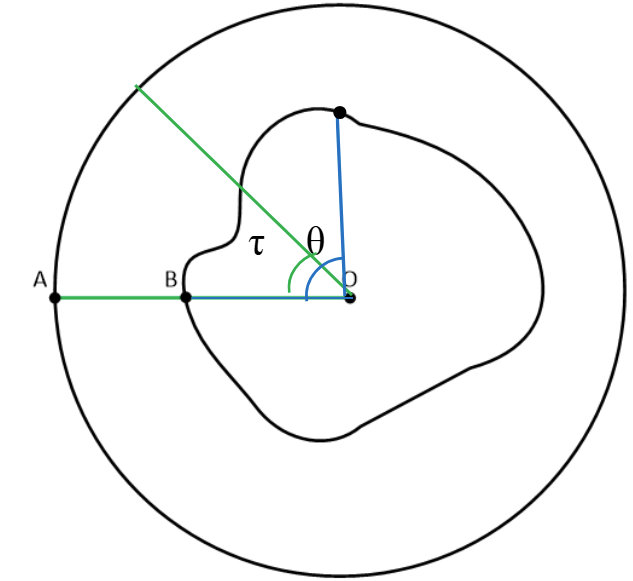
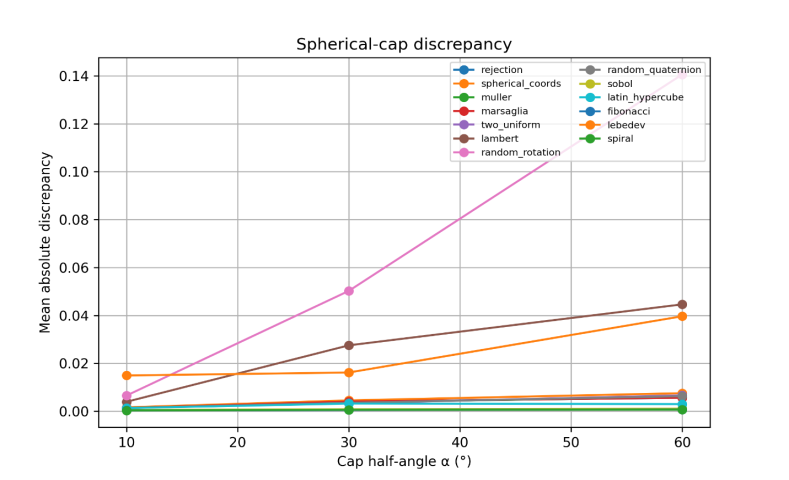
PLER compares a reference mesh and a distorted mesh by casting rays from a shared bounding sphere toward the center, measuring hit-length differences, and mapping the error into a log-scaled fidelity score. PLER 2.0 replaces uneven sampling with a Fibonacci (golden) spiral so coverage is stable across the surface.
Pipeline
Load & normalize → enclose in sphere → sample ray origins → intersect both meshes → aggregate MSE → optional topology / MOS regressor → report score. Open3D / Trimesh with research batch modes.
Evidence
- Paper figures for method and Fibonacci sampling
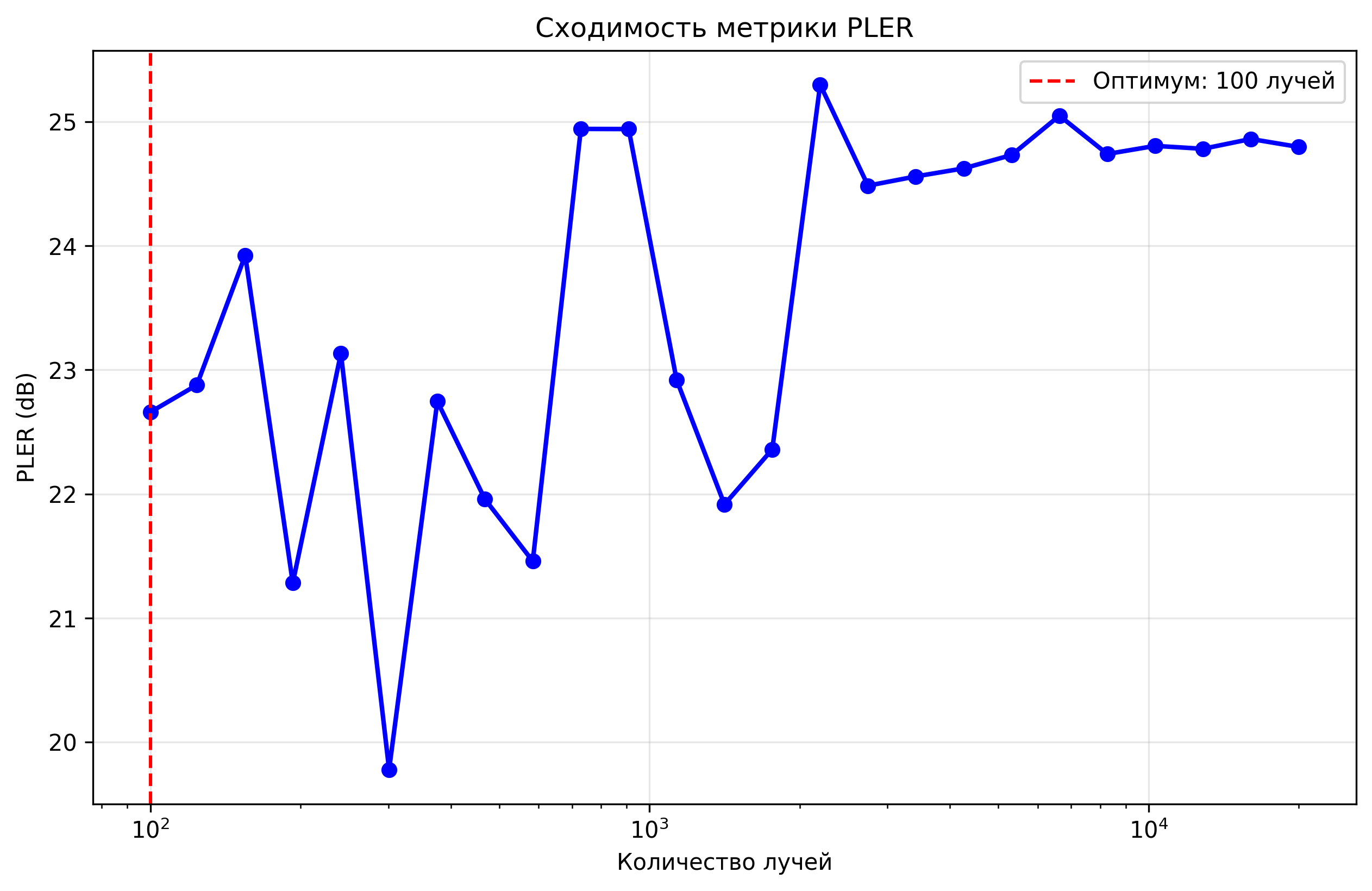
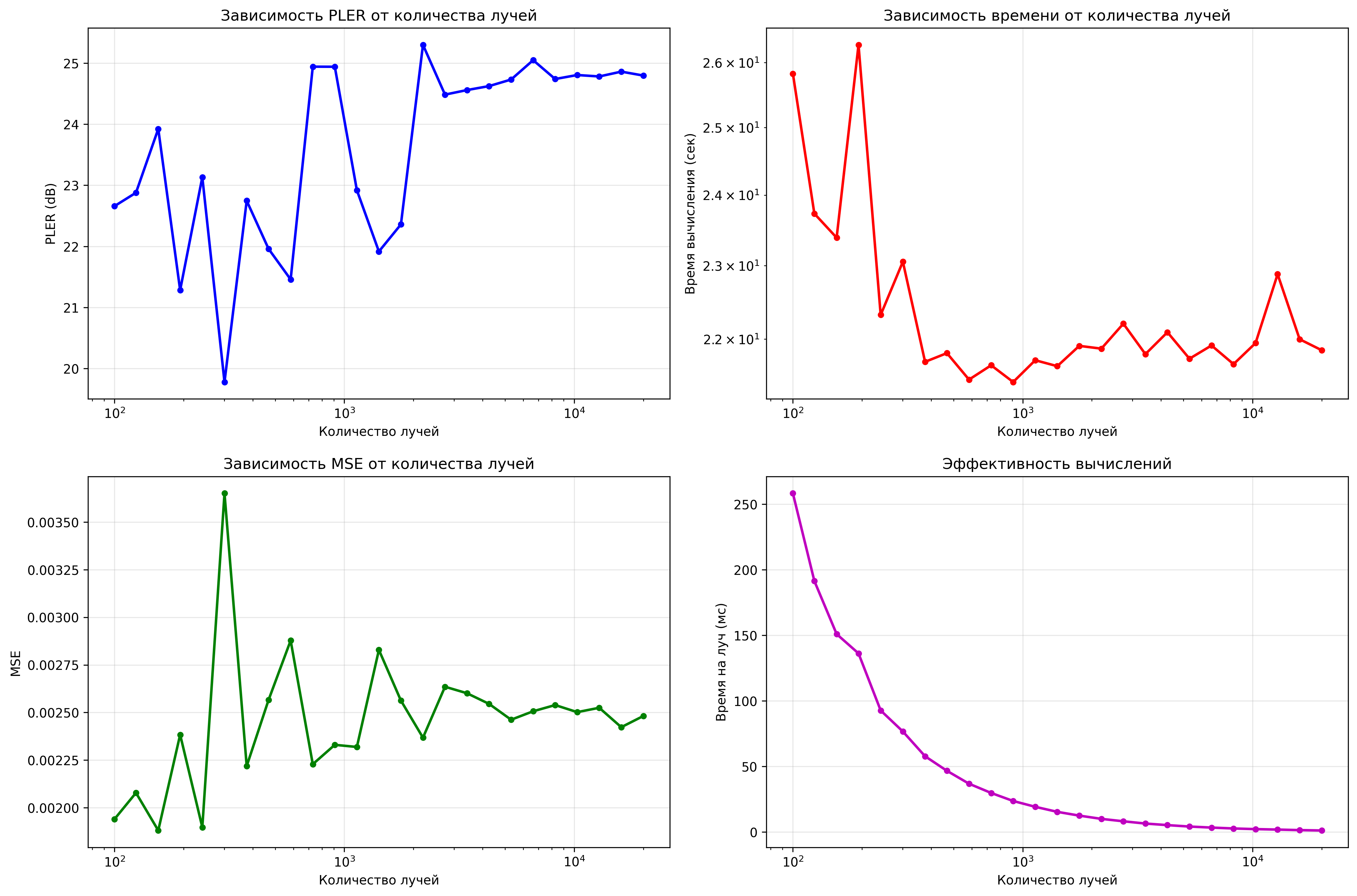
- Local plots: comparison, convergence, ray analysis
- Cache acceleration up to ~1.8–3.7× on repeat runs
Non-commercial research license.
In action
Screenshot carousel
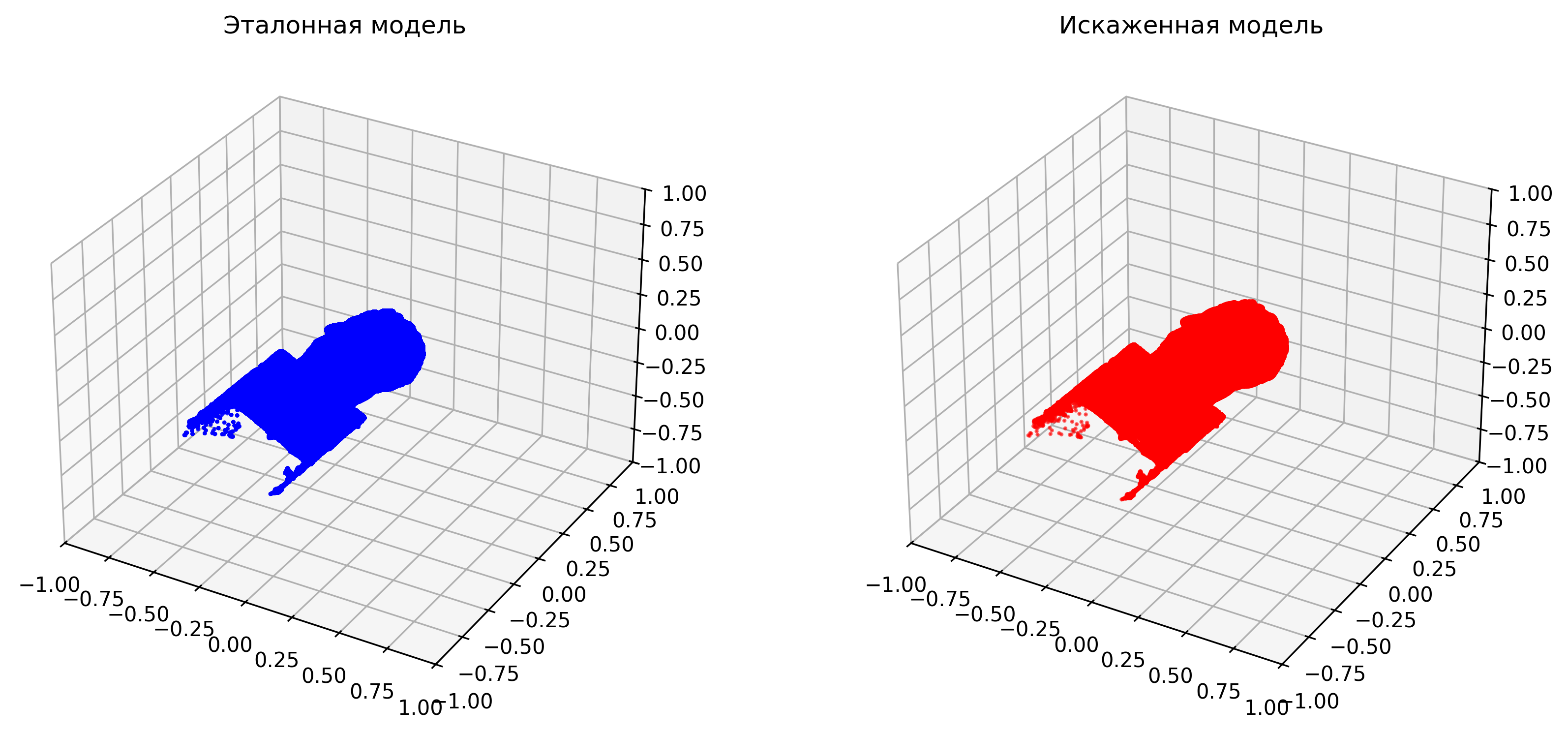
Result — mesh comparison (эталон vs искажение / reference vs distorted)
Demo